
2,000 years
An architectural heritage shaped since Antiquity across the French Riviera and Provence



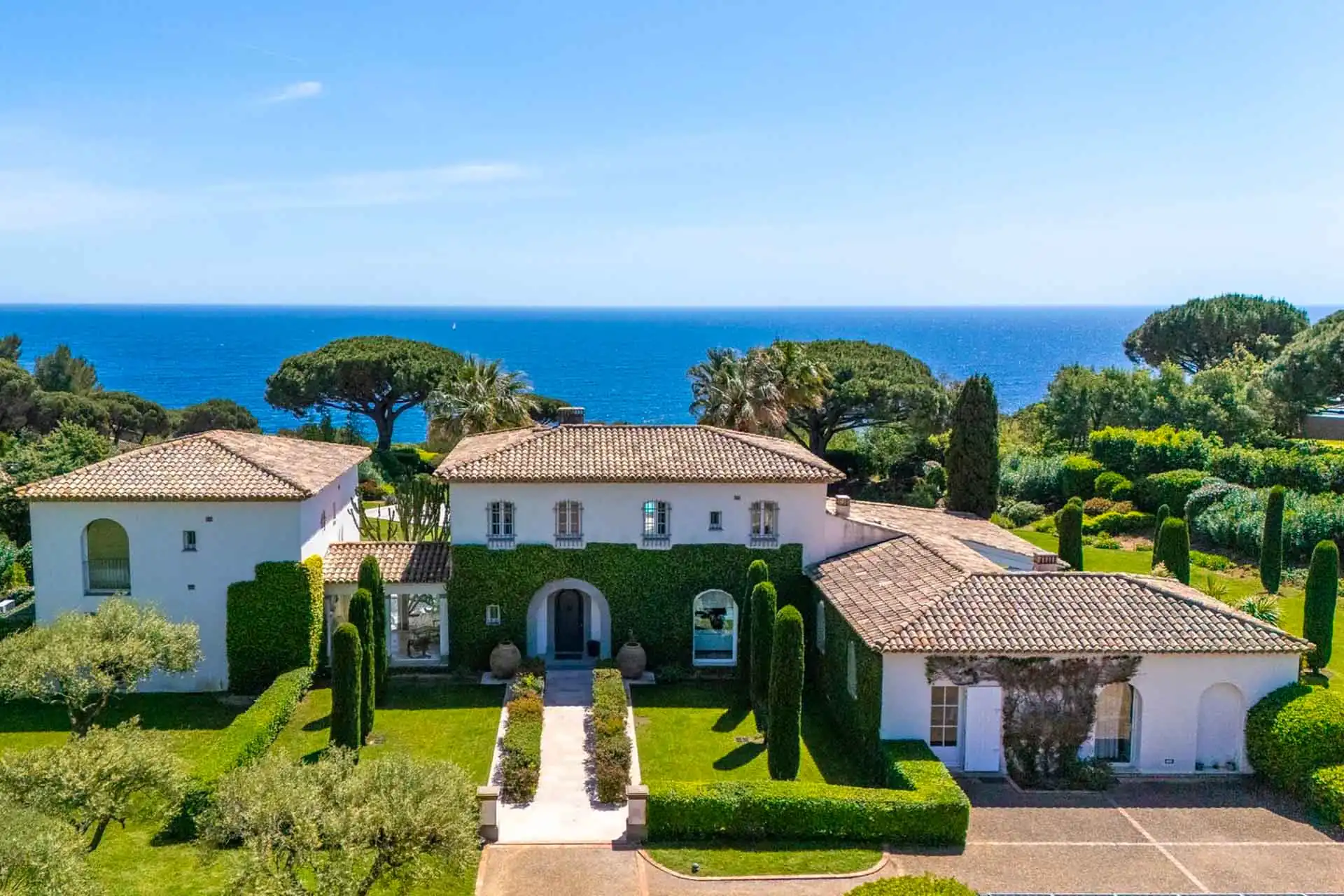
Guide
Buying luxury property: discover the essential criteria, the most beautiful destinations, and Michaël Zingraf Real Estate’s advice for a successful purchase.
Guide
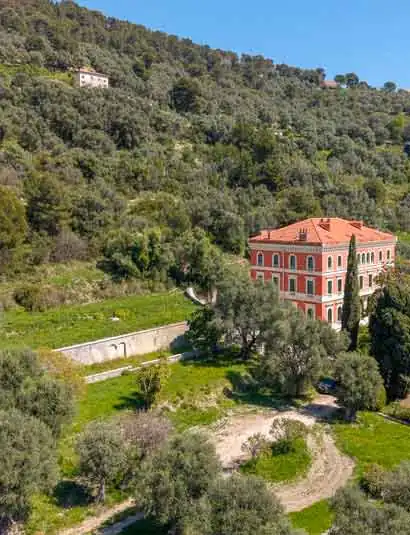
Acquiring a luxury property is not simply a matter of choosing a larger house or one set on a large plot of land. It means acquiring a real estate complex with its own identity, sometimes made up of a main residence, outbuildings, a park, agricultural land, or architectural features of heritage interest.
Whether it is a family residence, a holiday home, an estate intended for entertaining, a historic property, or an asset to be passed on, each project is based on different criteria. The quality of the land, the condition of the buildings, the potential for development, planning restrictions, and maintenance costs must be assessed with as much care as the architecture or the surroundings.
Since 1977, Michaël Zingraf Real Estate has been assisting French and international clients with the purchase of houses and properties located in the most sought-after destinations. From the French Riviera to Provence, from the Luberon to the Alpilles and as far as Mauritius, our teams put their knowledge of local markets at the service of projects requiring precision, confidentiality, and personalized support.
2,000 years
An architectural heritage shaped since Antiquity across the French Riviera and Provence
45+
UNESCO World Heritage Sites in France
190M
Visitors welcomed in France each year
A lasting legacy
Prestige properties are passed down from generation to generation
A luxury property is a prestigious real estate estate that stands out for its location, the significance or quality of its land, its architecture, its buildings, its surroundings, and its level of amenities.
It may include a main residence, a guest house, a caretaker’s house, outbuildings, leisure facilities, landscaped grounds, an olive grove, vineyards, or agricultural land. This designation does not correspond to any specific legal category: it is based on a combination of rare and difficult-to-replicate characteristics.
Surface area alone is therefore not enough to define an exceptional property. The coherence of the whole, the quality of the land, the history of the place, the condition of the buildings, and the potential uses all play a decisive role.
The term “house” generally refers to a standalone building intended for habitation. A luxury house is distinguished by the quality of its address, architecture, volumes, and amenities.
A villa is generally a high-end detached house, designed as an autonomous living space and surrounded by land. It may feature contemporary, Mediterranean, classical, or regional architecture.
A property often refers to a larger estate comprising several buildings, significant land, a park, or additional facilities. Its value comes as much from the main residence as from the overall coherence of the estate.
The term “estate” is generally used to describe a property with a certain expanse of land and several components: a main house, outbuildings, a park, agricultural land, forest, vineyard, or equestrian facilities.
It should not be confused with a villa located in a private residential estate, meaning a gated complex bringing together several independent properties.
Two properties of comparable size can have very different values. Micro-location, land quality, architecture, history, the condition of the buildings, the presence of outbuildings, and the rarity of the land all strongly influence their positioning.
A perfectly restored historic residence, an estate with remarkable grounds, or a property occupying an irreplaceable plot can therefore command a value far higher than that of a technically comparable ensemble located in a less rare setting.
Buying a luxury property meets both personal and wealth-related goals. It provides an exceptional living environment, while also making it possible to build a family project that can evolve over generations.
Landscaped grounds, gardens, outbuildings, reception areas, and leisure facilities make it possible to create a place suited to the needs of its occupants.
The distance from neighboring properties, the layout of the land, and controlled access also provide a level of privacy that is difficult to match in a more densely built environment.
Large properties can accommodate a family, guests, and staff while preserving everyone’s independence.
A guest house, separate apartment, caretaker’s accommodation, and outbuildings make it possible to imagine multiple uses and to adapt the estate gradually to the family’s changing needs.
Certain properties have the volumes and facilities suited to private receptions, artistic activities, or an equestrian, agricultural, wine-producing, or hospitality project.
However, the feasibility of such uses must be verified in light of planning regulations, the intended use of the buildings, administrative authorizations, and constraints related to neighbors.
Farmhouses, châteaux, bourgeois homes, and old houses sometimes have architecture or a history that directly contributes to their identity.
Acquiring such a property often means preserving its remarkable features, continuing a restoration, or passing on a coherent whole to future generations.
Properties combining quality land, remarkable architecture, and a preserved environment are naturally few in number.
This rarity can support their long-term appeal. It does not, however, guarantee automatic appreciation: the exact address, the condition of the property, holding costs, legal constraints, and the purchase price remain decisive.
| Advantage | Why Is It Important? |
|---|---|
| Land | Land offering space, privacy, and potential uses. |
| Rarity | A naturally limited supply in the prestige market. |
| Heritage | A real estate ensemble that can be preserved and passed on. |
| Architecture | An identity and features that are difficult to reproduce. |
| Versatility | Buildings and spaces suited to different uses. |
| Privacy | Controlled access and distance from the surrounding environment. |
The value of a property does not depend solely on the size of the main house or the number of hectares. It results from the combination of the address, the land, the buildings, their compliance, their condition, and the quality of the surroundings.
The address remains the primary value driver. Proximity to a sought-after village, a coastline, an airport, a train station, or essential services can create significant differences between two properties in the same region.
It is also important to examine the quality of access, nuisances, surrounding activity, and any projects likely to alter the area.
The size of the plot is only an initial indicator. Its topography, orientation, accessibility, nature, continuity, and ease of maintenance are just as important.
A flat, coherent, and easily usable plot may have a higher practical value than much larger land that is fragmented, steeply sloped, or difficult to access.
The cadastral classification of the parcels, their designation in the local urban planning scheme, and any leases or agricultural uses must also be checked.
Architecture, proportions, quality of circulation, natural light, and the relationship with the land all directly contribute to the value of the main building.
The layout between reception areas, bedrooms, service areas, and outdoor spaces should correspond to the intended use. Very large square footage does not necessarily compensate for an inefficient layout.
Guest house, caretaker’s accommodation, barn, workshop, chapel, orangery, stables, or agricultural buildings can enhance the appeal of a property.
Their value, however, depends on their condition, compliance, legal use, and ability to be used or converted.
An old bastide, a château, or a signature residence may have a strong architectural identity. Original materials, proportions, decorative features, timber frames, façades, and landscape elements can all contribute to its heritage character.
The history of a place can enhance its appeal, but it must be documented. Unverified stories or uncertain attributions should not be confused with official heritage recognition.
Roofs, timber frames, façades, foundations, utilities, drainage, heating, and retaining walls must be examined carefully.
A recent interior renovation does not guarantee that the structural elements or utilities have been fully addressed. On a large property, restoring them can represent a significant budget.
The main house, extensions, outbuildings, pools, and changes of use must match the permits obtained.
The actual built areas must also be compared with cadastral documents, plans, and the available planning approvals.
Panoramic views over hills, mountains, vineyards, or the sea, a preserved natural setting, and the absence of nuisances all strengthen the quality of a property.
The long-term preservation of views must nevertheless be assessed by taking into account neighboring plots, building rights, and possible changes in vegetation.
Historic gardens, remarkable trees, olive groves, ponds, fountains, terraces, and structured perspectives can all contribute to the identity of the estate.
Their quality must be weighed against their maintenance costs, water requirements, and any environmental or landscape protections.
Extension, change of use, renovation of outbuildings, or the creation of additional facilities can influence the value of a property.
This potential must always be confirmed by a review of the planning regulations and by the relevant authorities or professionals. It should never be considered guaranteed on the basis of a marketing presentation alone.
| Criterion | Elements to examine |
|---|---|
| Micro-location | Address, access, surroundings, services, and nuisances. |
| Land | Size, continuity, topography, zoning, and uses. |
| Main building | Architecture, volumes, condition, layout, and natural light. |
| Outbuildings | Number, condition, use, compliance, and potential use. |
| Compliance | Permits, areas, extensions, pools, and changes of use. |
| Surroundings | Views, tranquility, neighbors, protections, and natural risks. |
| Grounds | Landscape quality, maintenance, water resources, and vegetation. |
| Potential | Regulatory possibilities for development or restructuring. |
| Rarity | Features that are difficult to reproduce in the local market. |
Architecture, land, surroundings, and intended use should all be considered together to identify the property best suited to your project.
A prestigious family home generally offers several bedrooms, spacious reception areas, and outdoor spaces suited to everyday living.
It can serve as a primary or secondary residence and should accommodate several generations without making its operation or maintenance disproportionate.
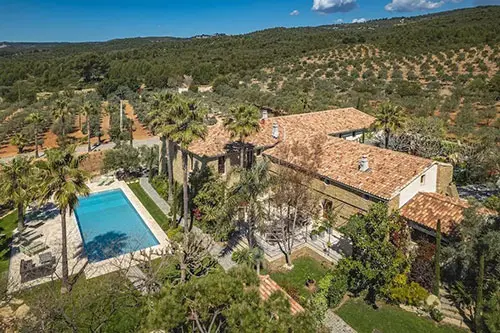
The Provençal bastide is generally characterized by a regular façade, balanced proportions, a tiled roof, and architecture closely tied to the Mediterranean landscape.
Its authenticity depends on the quality of its restoration, the preservation of original materials, and its integration into the land.
An old rural or agricultural dwelling, the mas stands out for a more organic architecture, often built and altered over time.
It can offer significant charm, but requires a precise analysis of the various buildings, their past uses, and the transformations carried out.
A historic property has particular architecture, history, or decorative features. It may be fully or partially protected, or simply be of heritage interest without official protection.
Its acquisition may require the involvement of a heritage architect and a specific analysis of renovation possibilities.
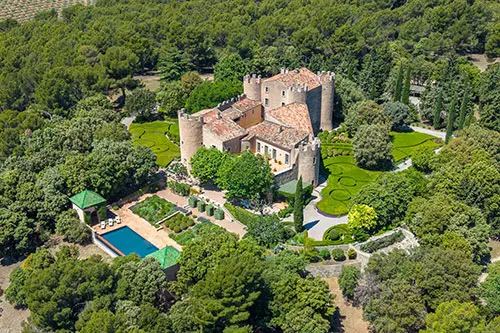
The château usually combines monumental architecture, large reception rooms, outbuildings, and a substantial estate.
Before acquiring one, the condition of the building, staffing requirements, energy costs, and constraints linked to any heritage protection should be carefully assessed.
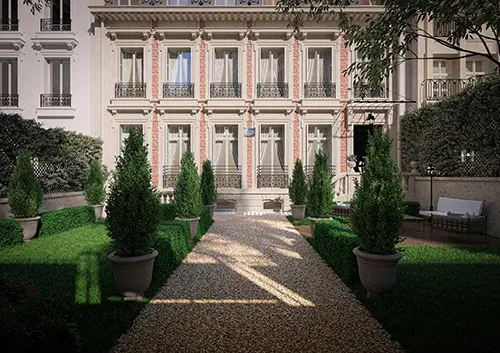
Located in an urban setting, the private mansion combines centrality, independence, and prestigious architecture.
An inner courtyard, garden, outbuildings, garages, and the quality of access are particularly important criteria.
An agricultural estate combines a residential property with a production activity or exploitable land.
The condition of the crops, technical buildings, equipment, stock, contracts, rights attached to the operation, and legal structure must be analyzed separately from the residence.
A property with a park appeals through its views, vegetation, and the uses it allows: entertaining, leisure, walking, or botanical collections.
Maintenance, irrigation, protected trees, perimeter walls, and any natural risks must be factored into the assessment.
| Your project | The property to prioritize |
|---|---|
| Family residence | Large house, bastide, or property with outbuildings. |
| Architectural heritage | Château, historic residence, or private mansion. |
| Provençal lifestyle | Bastide, mas, or property with an olive grove. |
| Agricultural activity | Wine estate, olive-growing estate, or exploitable land. |
| Private receptions | Estate with outbuildings and reception spaces. |
| Privacy and nature | Property with a park or large estate. |
The choice of destination is decisive. Each market has its own architecture, landscapes, price levels, regulatory constraints, and heritage dynamics.
Provence, and particularly villages such as Gordes or Saint-Rémy de Provence, bring together bastides, mas, agricultural estates, and large properties surrounded by Mediterranean gardens.
Accessibility, proximity to villages, quality of the land, water resources, and the level of environmental preservation should be studied carefully.
The Luberon offers stone properties, bastides, agricultural estates, and houses located near sought-after villages.
Views, quality of access, integration into the landscape, and the architectural constraints specific to protected areas play a major role.
The Alpilles appeal for their landscapes, characterful villages, and the scarcity of available land.
Bastides, renovated mas, properties with olive groves, and estates near Saint-Rémy-de-Provence make up a market where micro-location remains essential.
Mougins and the residential areas of the hinterland offer large properties close to the coastline while preserving more space and privacy.
View quality, topography, access to urban centers, and proximity to transport routes have a strong influence on value.
The Cap d’Antibes and the most sought-after coastal destinations concentrate historic properties, private estates, and large homes benefiting from immediate proximity to the sea.
Land scarcity, level of privacy, views, and quality of access are the main factors in value.
Saint-Tropez and the communes of the gulf offer discreet estates, Provençal properties, and large homes opening onto Mediterranean landscapes.
Proximity to beaches, travel time to the village, tranquillity, and land quality should be analyzed at each address.
Mauritius offers tropical properties, residential estates, and large homes set within secure environments.
The acquisition should be assessed according to the buyer’s status, the project’s legal framework, the rules applicable to foreign owners, and the management conditions of the estate.
The price of a luxury property varies considerably depending on its location, size and the quality of its land, the number of buildings, their condition, their architecture, and the potential uses.
The price per square meter of the main residence is only a partial indicator. By itself, it does not make it possible to value a park, outbuildings, farmland, historic architecture, or a particularly rare location.
The budget should not be limited to the purchase price. A large property may require significant ongoing expenses, which vary depending on the size of the estate, the condition of the buildings, and the level of service desired.
An estimate of annual operating costs makes it possible to compare properties more realistically and anticipate future needs.
The plots, buildings, outbuildings, and rights included in the sale must be clearly identified.
The cadastral plan is not always precise proof of boundaries. A boundary survey carried out by a surveyor may be necessary when the land boundaries are uncertain or disputed.
The local planning plan sets out the zoning of the plots, building possibilities, architectural rules, and applicable protections.
Extension projects, swimming pools, the creation of an annex, or the conversion of an agricultural building must be checked before considering them feasible.
Built areas, extensions, outbuildings, swimming pools, and changes of use must correspond to the permits obtained.
A discrepancy between the actual condition of the property and the administrative documents may limit the possibilities for work, financing, or resale.
Rights of way, pipelines, access to a spring, underground networks, agricultural uses, or maintenance obligations may affect the operation of the estate.
Their nature, location, and beneficiaries must be precisely identified.
A property that is listed, registered, or located near a historic monument may be subject to specific rules.
These protections may govern works, materials, colors, alterations, and sometimes the maintenance of the park.
A thorough audit may be necessary to examine roofs, frames, structures, networks, electrical installations, heating, drainage, damp, and drainage.
The analysis must cover the main residence, as well as all the outbuildings and installations on the estate.
Boreholes, wells, springs, ponds, irrigation, and individual sanitation must be subject to specific checks.
Their operation, compliance, usage rights, and capacity must be suited to the size and needs of the property.
Fire, flooding, shrink-swell soils, landslides, or submersion may affect certain properties.
Consulting the regulatory documents must be supplemented by a practical assessment of the land, access routes, and prevention measures.
When a property includes a wine, agricultural, equestrian, or tourism operation, the acquisition concerns elements that go beyond the real estate alone.
Leases, contracts, licenses, stock, equipment, staff, and the legal structure must be reviewed with the relevant professionals.
Purpose, budget, use, land area, number of buildings, architectural style, and heritage objectives should be prioritized from the start of the search.
Properties that meet all the criteria remain rare. It is therefore important to distinguish essential elements from preferences that may change.
A relevant selection should be built from the actual characteristics of the project. Some discreet opportunities may also be presented when the search has been precisely qualified.
The visit should cover the main house, outbuildings, access points, boundaries, equipment, parkland, and the various plots.
A second visit with an architect, surveyor, or building professional may be useful.
Zoning of the plots, easements, boundary survey, access rights, and development possibilities must be examined before committing.
Permits, diagnostics, structures, networks, and technical installations must be checked across the entire property.
The purchase price should be supplemented by an estimate of works, maintenance, staff, equipment, and annual expenses.
Negotiation should take into account the value of the land, the condition of the buildings, the constraints identified, and the local market context.
The preliminary agreement sets out the scope of the sale and any conditions precedent. The final deed signed before a notary then completes the transfer of ownership.
After the purchase, architects, contractors, landscapers, managers, and staff may step in to organize the work, maintenance, and day-to-day operation of the property.
Large properties meet a demand for nature, space, and privacy. The quality of the land and the surrounding environment is playing an increasingly important role in acquisition projects.
Bastides, mas, châteaux, and historic homes appeal to clients seeking architecture and a history that are difficult to replicate.
Their appeal nevertheless depends on the quality of their restoration and their ability to meet contemporary uses.
Insulation, ventilation, heating, water management, and material choices are taking on greater importance in renovation projects.
The goal is to improve the comfort and performance of the building without altering its architectural identity.
Family residence, teleworking spaces, guest house, agricultural activity, or hospitality project can now coexist within the same property.
This versatility increases the appeal of certain outbuildings, provided their use is legally and technically feasible.
Buyers are paying more attention to energy consumption, park maintenance, water resources, and staffing needs.
A coherent and manageable property may be preferred to a larger estate that is disproportionate to its actual use.
Some properties are not publicly marketed in order to preserve the confidentiality and security of their owners.
These opportunities are presented through targeted searches to buyers whose project, timeline, and acquisition capacity have been precisely defined.
Since 1977, Michaël Zingraf Real Estate has been assisting French and international clients in the acquisition of houses, estates, and properties located in the most sought-after destinations.
Acquiring a large property requires a deep understanding of micro-markets, planning regulations, land issues, and the specific characteristics of each area.
Our local teams put this experience to work in selecting and evaluating each property.
Our portfolio brings together bastides, mas, historic homes, properties with parks, agricultural estates, and large houses selected for their location, architecture, and quality of surroundings.
Some properties do not appear in public listings. They are presented in a targeted manner to prospective owners whose search criteria have been carefully qualified.
From defining the project through to the signing of the final deed, our advisors coordinate the different stages of the acquisition.
They can also facilitate introductions to notaries, architects, surveyors, tax specialists, building experts, and heritage specialists.
Substantial land, multiple outbuildings, easements, heritage protections, and agricultural activities require specific analysis.
Our support aims to identify the characteristics, constraints, and real potential of each property before acquisition.
Exclusive affiliate of Christie’s International Real Estate for the Provence-Alpes-Côte d’Azur region, Michaël Zingraf Real Estate benefits from a leading international network and visibility among a global clientele.
A villa is generally a high-end detached house surrounded by land. A property may include a larger plot, several buildings, outbuildings, a park, or additional facilities.
The term “estate” generally refers to a large property comprising several buildings and possibly agricultural land, woodland, vineyards, or specific facilities.
The micro-location, quality of the land, architecture, condition of the buildings, outbuildings, compliance, surroundings, and potential for development are the main value criteria.
In particular, the title deed, cadastral records, boundary survey, planning permissions, surveys, easements, applicable rules for the plots, and compliance of the various buildings should be reviewed.
The acquisition must take into account an analysis of the structure, heritage elements, applicable protections, and renovation possibilities. The involvement of a heritage architect and an experienced notary may be necessary.
They depend on the size of the buildings, the extent of the grounds, the equipment, water resources, energy needs, and the staff required. An annual estimate should be made before acquisition.
A conversion may require a change of use, a planning permit, or compliance with specific architectural rules. Its feasibility must be checked before purchase.
Yes. Foreign buyers can purchase property in France. However, legal, tax, and banking support is recommended in order to adapt the acquisition to their situation.
Some properties are marketed off-market in order to preserve the confidentiality and security of their owners. They are only presented within the framework of qualified searches.
A rare and appropriately valued property can be a sound asset. However, its potential depends on its purchase price, condition, holding costs, constraints, and the dynamics of the local market.
Buying Guide
Sélection de propriétés
 Property
MZINC518
Property
MZINC518
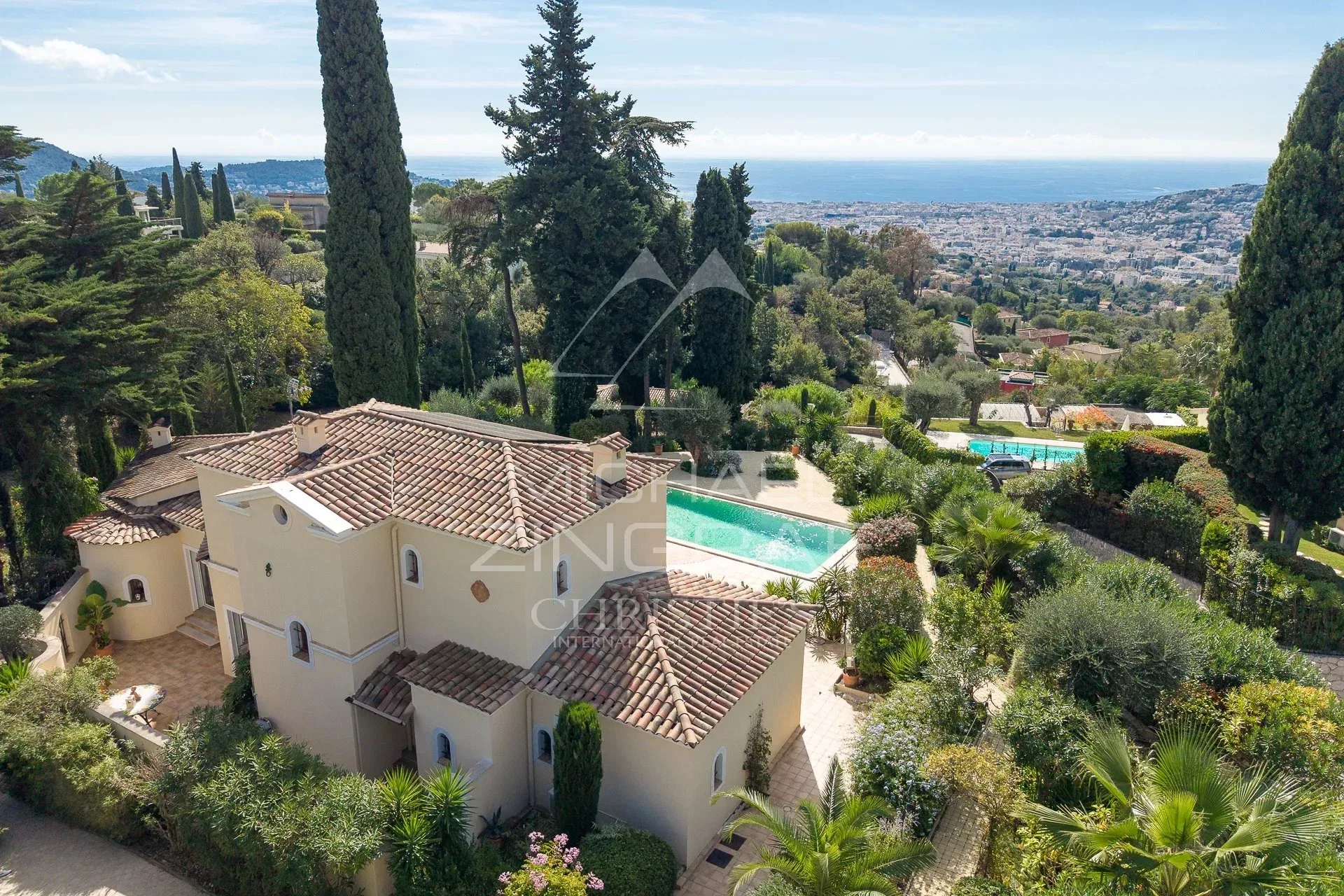
Nice . Gairaut
177 sq m · 4 Bedrooms · Land 1 550 sq m
€2,490,000
 Property
MZIST1803
Property
MZIST1803
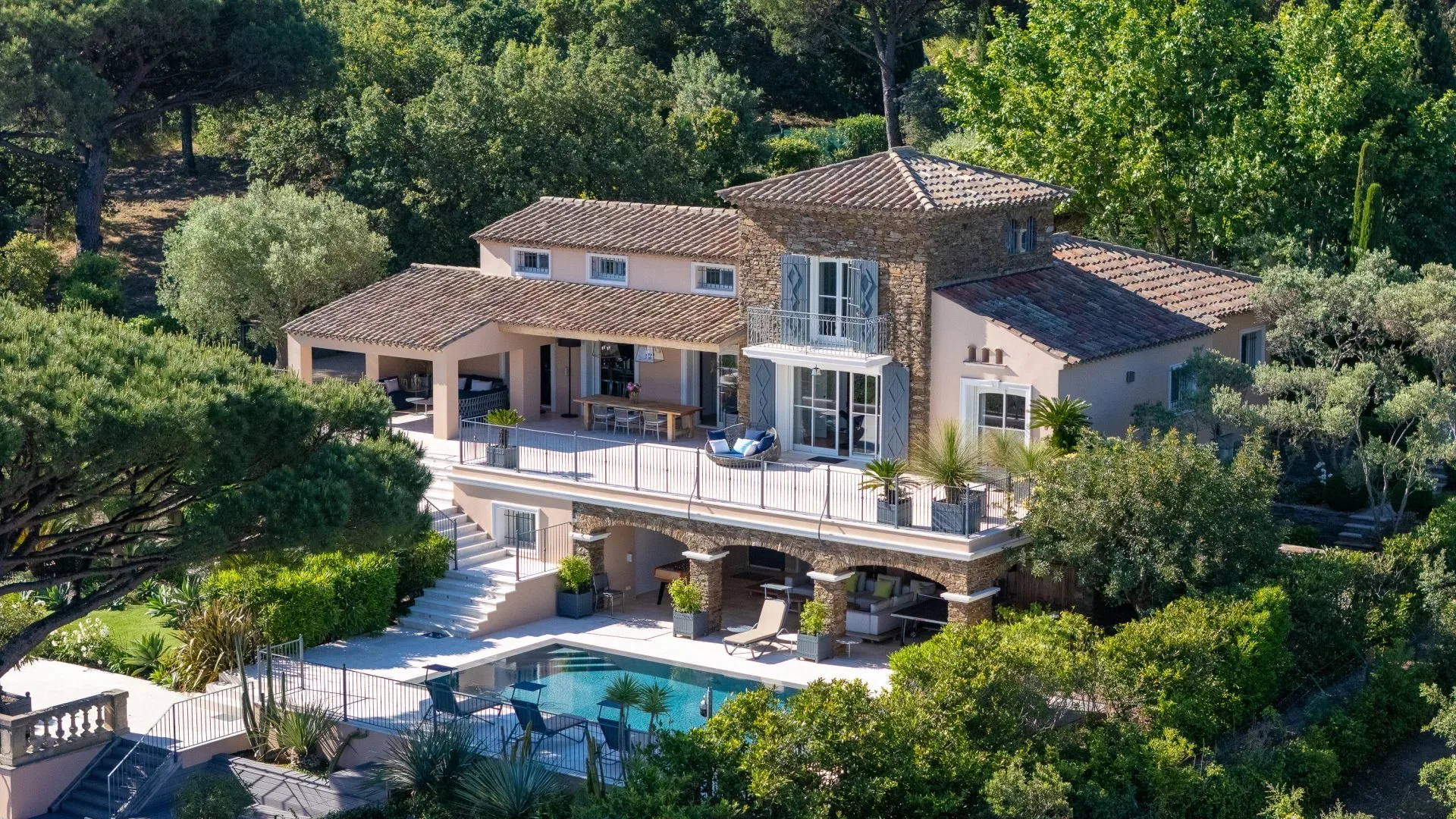
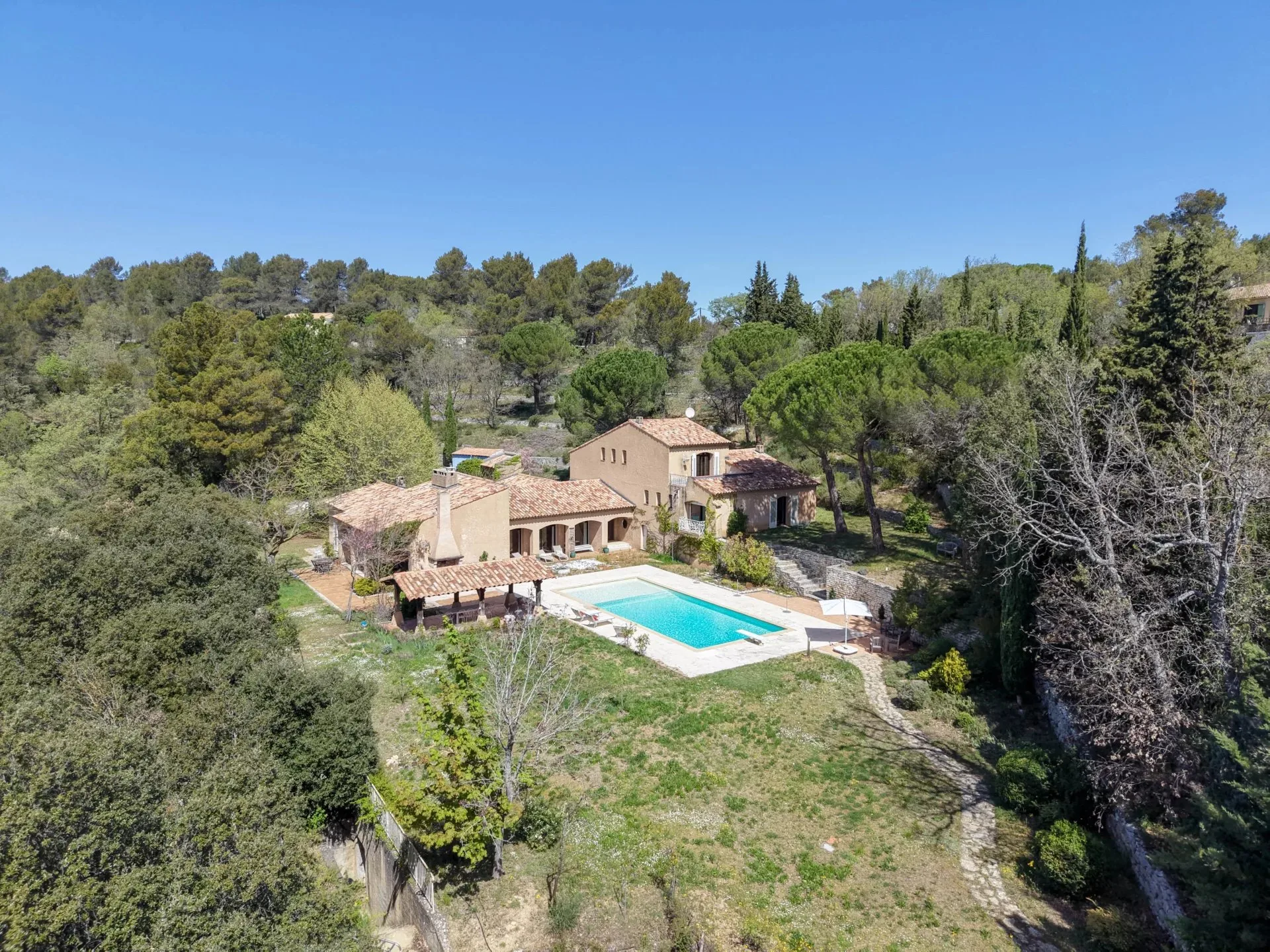
Gassin
410 sq m · 5 Bedrooms · Land 2 880 sq m
€14,900,000
 Property
MZIAX0799
Property
MZIAX0799
Rians
348 sq m · 6 Bedrooms · Land 27 000 sq m
€1,095,000
 Property
MZIST1978
Property
MZIST1978
Le Lavandou
623 sq m · 7 Bedrooms · Land 69 319 sq m · Terrace 25 sq m
€24,950,000
 Property
MZIBA1464
Property
MZIBA1464
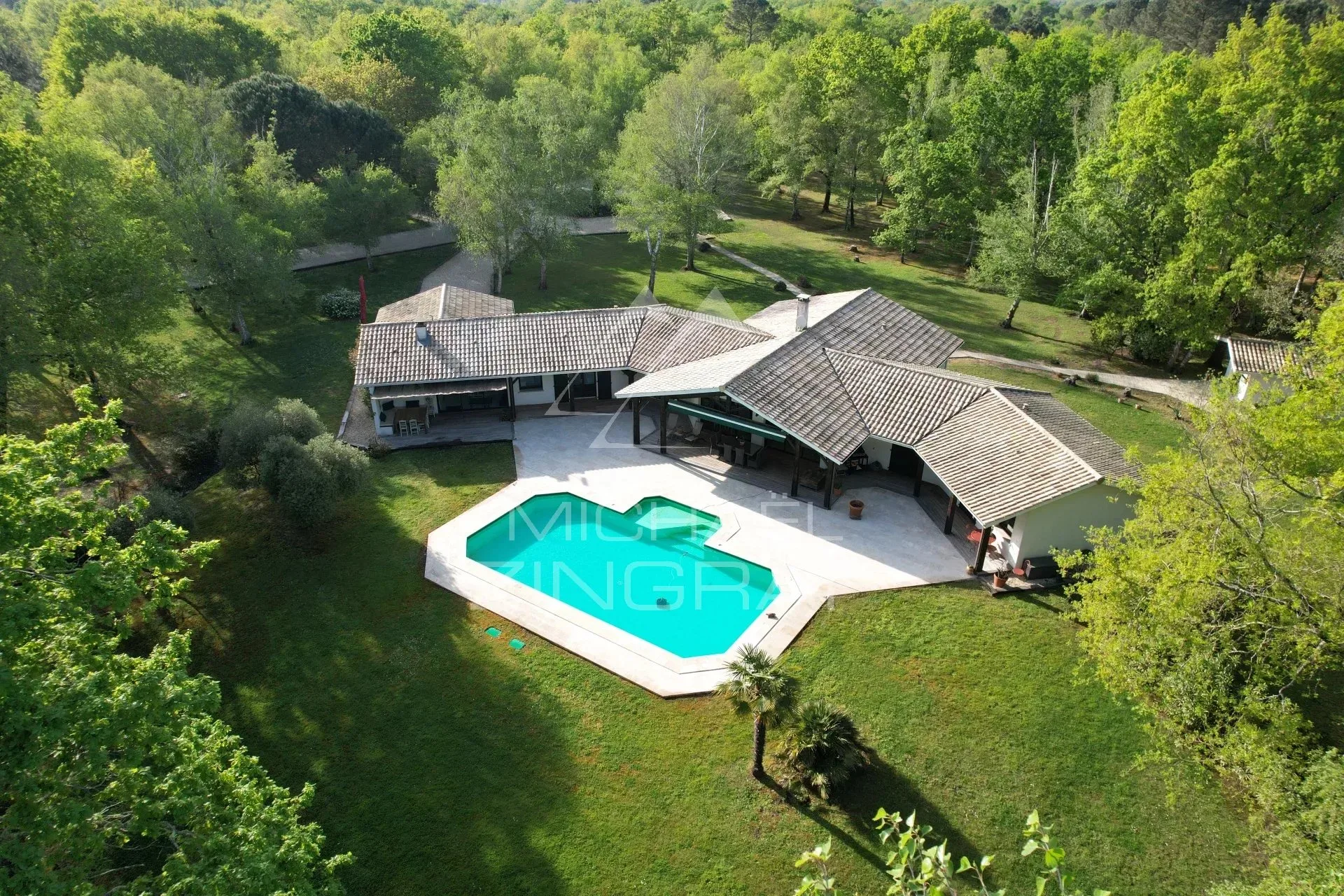
Gujan-Mestras
575 sq m · Land 77 000 sq m
€3,500,000
 Property
MZIST1846
Property
MZIST1846
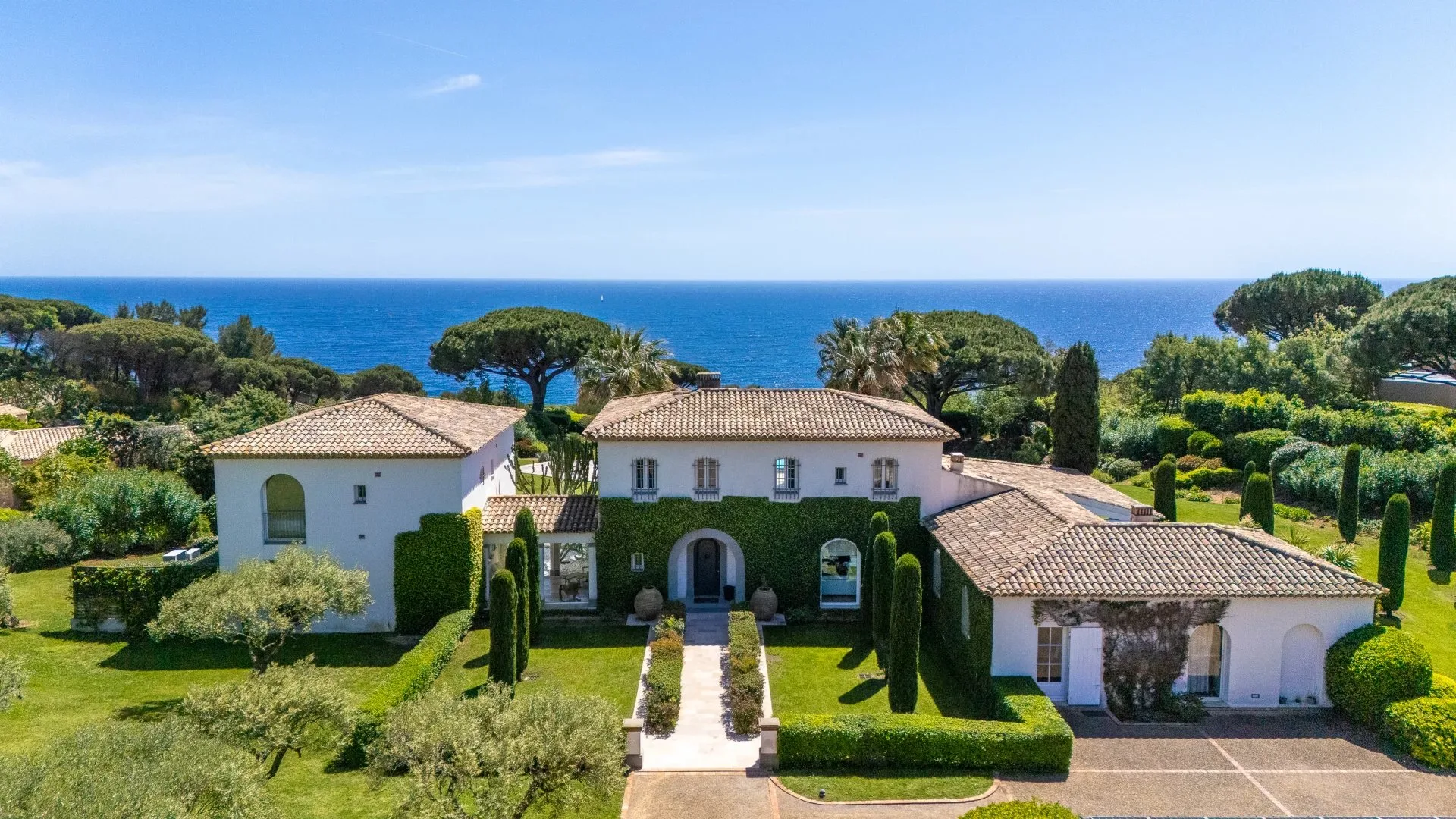
Ramatuelle
430 sq m · 8 Bedrooms · Land 11 000 sq m
€19,500,000
Michaël Zingraf Real Estate
Buying luxury property: discover the essential criteria, the most beautiful destinations, and Michaël Zingraf Real Estate’s advice for a successful purchase.
Follow Us
Our Social Media
Discover the world of Michaël Zingraf Real Estate through our latest exceptional properties, behind-the-scenes moments, events, inspiration and luxury real estate news across our social media channels.
There are homes where time forgets to pass.
462m² over three floors. A 255m² rooftop terrace. Views of the sea and t...
Step inside, and the sea comes with you.
In Gairaut, where the city fades into pine and silence, this apartment b...
Provence, elevated. A view that never ends.
The light changes. The view never disappoints.
On the Croisette, at the heart of a residence of absolute discretion, th...
There are locations where geography becomes destiny.